What This Is
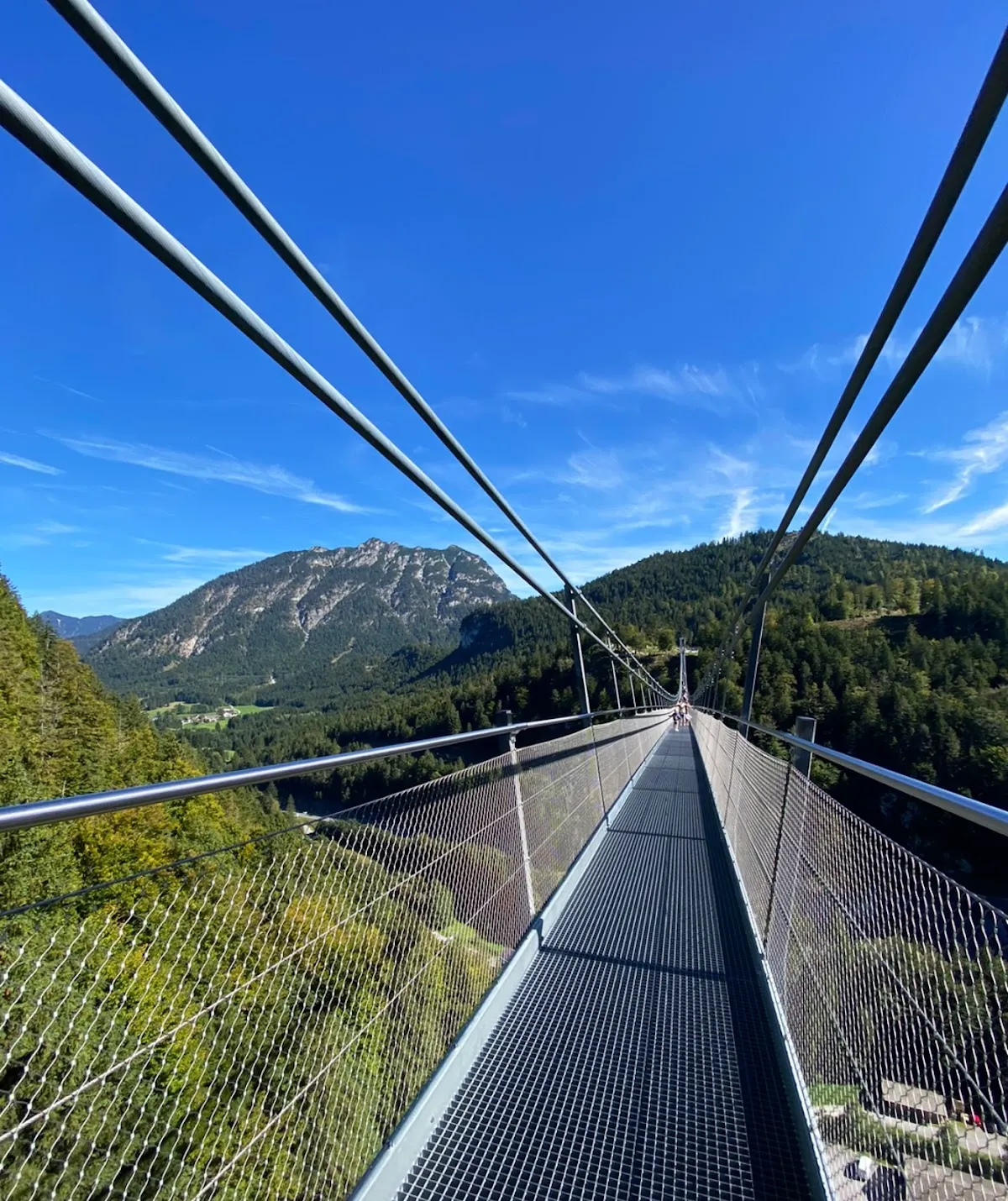
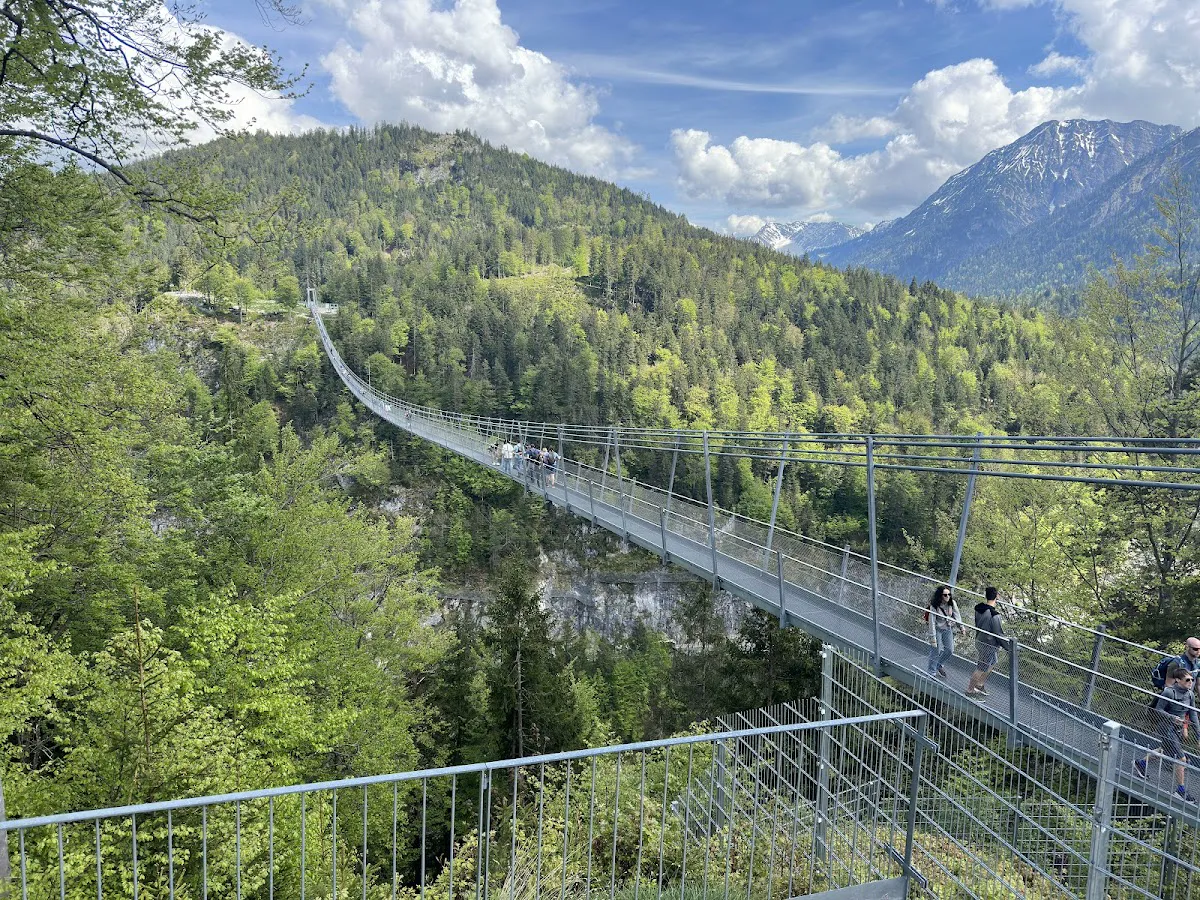
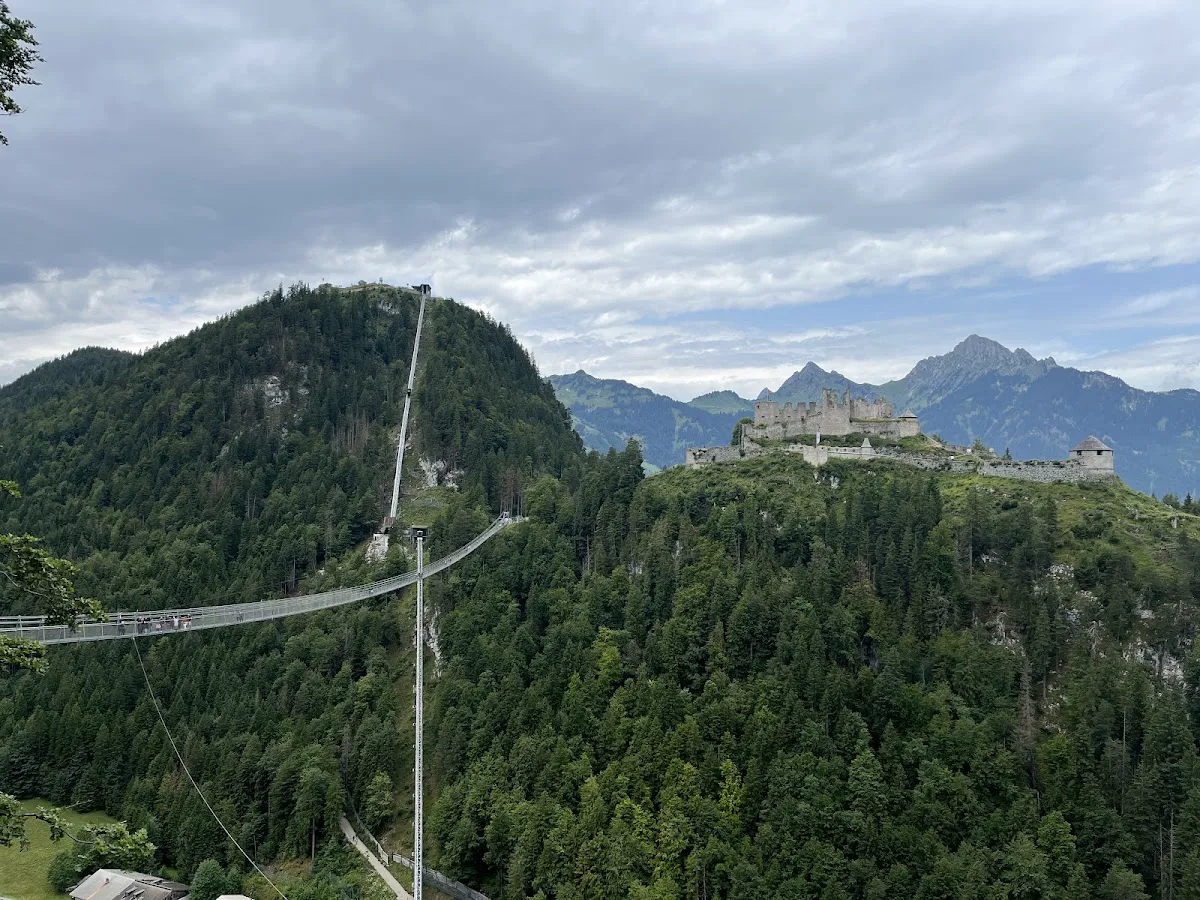
The Highline179 is a calculated psychological instrument designed to interface with your vestibular system. It is a "Tibet-style" suspension bridge, meaning it lacks vertical towers and relies on the natural catenary curve of the cables. This creates a "suspended valley" effect—you walk down into the middle and climb up comfortably to the other side. Connecting the ruins of Ehrenberg Castle with Fort Claudia, it offers an adrenaline-inducing combination of medieval history and modern engineering thrill, suspended 114 meters above the B179 highway.
The Engineering
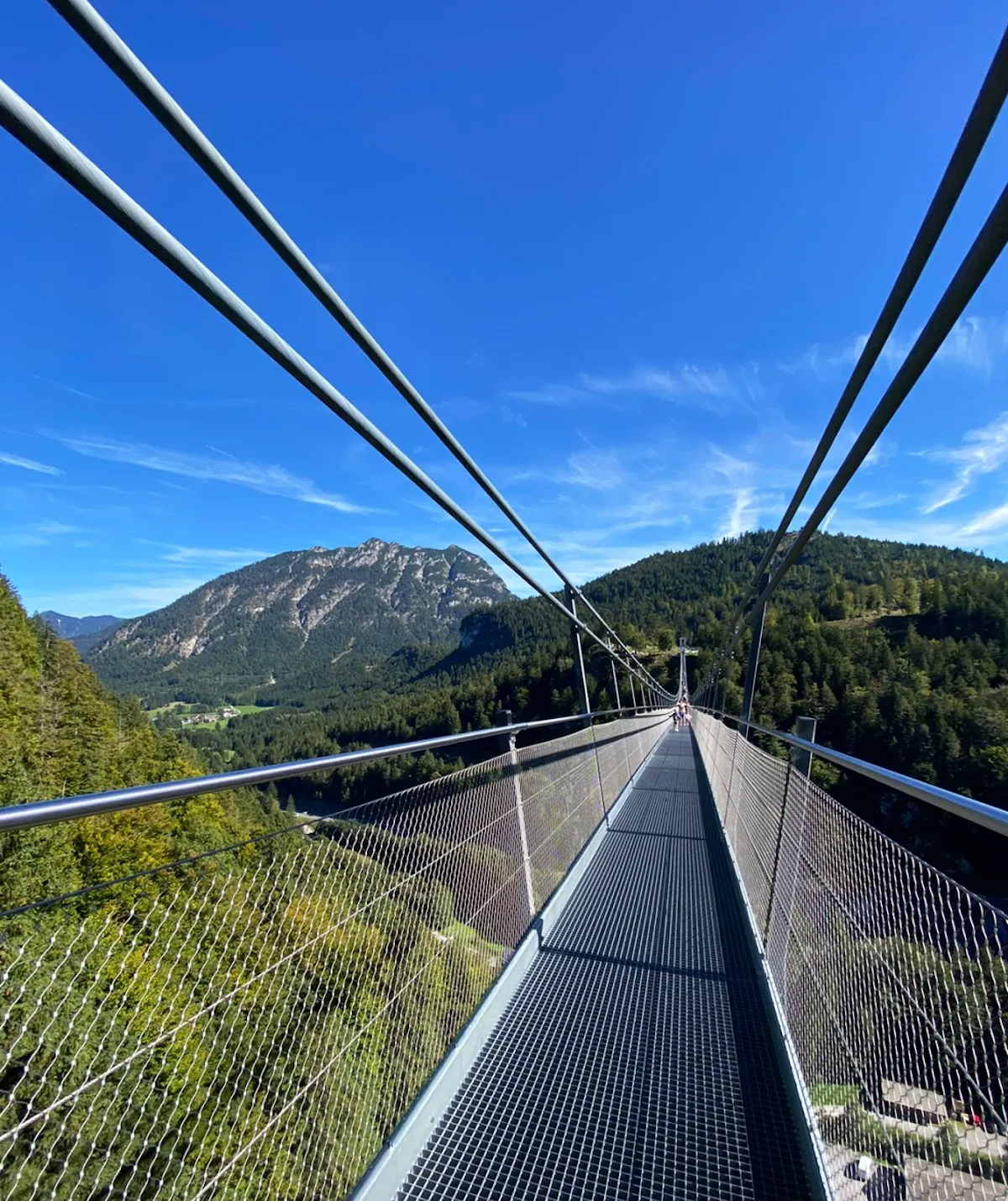
Designed to hold up to 500 people, the bridge weighs 70 tons and is anchored directly into the limestone bedrock. The open-grate floor creates a "visual cliff," offering a direct view of the valley floor below.
The Experience
This is not a passive ride; it's an interactive environment. In winds over 15 km/h, the bridge sways laterally. The "Gateway Freeze" is real for those with vertigo, but for most, it's a conquerable and memorable challenge.
The "View"
Beyond the highway below, you are surrounded by 360-degree alpine views. The connection between the two fortress ruins adds a unique historical layer that most "tourist" bridges lack.
No Dogs
The open-grate flooring is painful for paws and terrifying for pets. Do not bring dogs onto the bridge.
No Drones
Strict "No Fly Zone" due to highway traffic below and crowds. Police patrol the area. Save the aerial shots for the pros.
Hike or Ride
You have a choice: a steep 20-30 min "Sweat Tax" hike or the comfortable "Ehrenberg Liner" inclined elevator (€7 extra).
Thrill Factor 8/10
In high winds, this is a kinetic experience. The bridge moves. The floor is see-through. Prepare mentally.
The "Adrenaline Audit"
Why does it feel scarier than other bridges? Physics.
The Sag Factor
Because there are no towers proping up the middle, the bridge sags naturally. The first 200 meters are a descent (gravity pulls you forward), and the second half is an ascent (you have to climb). It's a "suspended hill," not a flat sidewalk.
The Sway
The bridge is designed to move. Lateral sway creates the "Drunken Sailor" effect where you might bump shoulders with others as you compensate for the movement. This is a safety feature to shed wind load, not a defect.
Access Truth: Hike vs. Liner
Getting from the parking lot to the bridge portal requires crossing a vertical gap.
| Feature | The Hike ("Sweat Tax") | The Ehrenberg Liner ("Easy Way") |
|---|---|---|
| Cost | Free (€0) | ~€7.00 / person (Round Trip) |
| Time | 30 - 45 Minutes | 2.5 Minutes |
| Effort | High (Steep Gravel) | Zero |
| Terrain | Loose Scree / Gravel | Glass Cabin |
| Best For | Fit visitors with boots | Families, seniors, "nice clothes" |
Warning: The hike trail is steep with loose gravel. Do not attempt in flip-flops or smooth-soled dress shoes. You will slide.
Logistics & Money Reality
The Real Cost
| Item | Cost (Est.) | Notes |
|---|---|---|
| Adult Ticket | €10.00 | Bridge entry only |
| Child Ticket (4-14) | €6.00 | |
| Parking | €5.00 | Flat rate per day |
| Elevator (Optional) | €7.00 | Adult Round Trip |
The "Cash Trap" at the Portal
CRITICAL: Signs clearly state you need a ticket. Often, hikers bypass the main
center to walk up, only to find the ticket machines at the bridge entrance ONLY ACCEPT CASH
(Coins/Bills) or are broken.
Fix: Buy your ticket online or at
the main Visitor Center in the valley (which takes cards) BEFORE you hike up.
Combo Strategy: The "Reutte" Ecosystem
The bridge walk takes 20-30 minutes. To make it a full trip, integrate the surroundings.
1. Explore the Ruins (Ehrenberg World)
Don't just look at the castle; go inside. These are "living ruins" you can climb and explore. Allow 60-90 minutes.
2. Fort Claudia (The Quiet Side)
Most tourists walk to the middle of the bridge and turn back. Mistake. Cross fully to the other side to find Fort Claudia. It's quieter, wilder, and offers the best photo angle looking BACK at the main castle.
3. Alpentherme Ehrenberg
Located right at the base parking lot. After braving the winds and the hike, recovering in the saltwater thermal pools is the perfect physiological counter-balance.
Practical Information
Photos provided by Google | Content based on comprehensive field research